

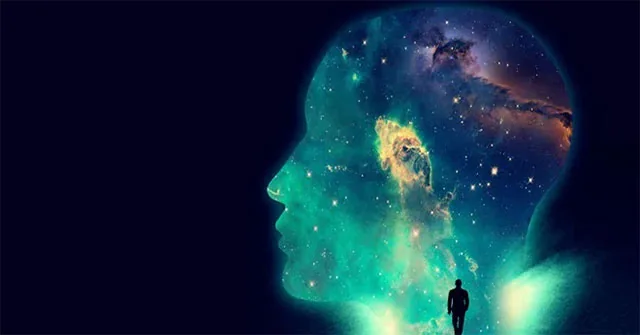
You step into a room for the first time, and a strange certainty arrives before you can explain it. You have stood here before. The feeling is vivid, yet no memory comes with it.
Asking why deja vu happens leads into the quiet machinery that lets a new moment feel familiar, sometimes when it should not.
Familiarity can arrive without a clear memory
Deja vu is a feeling that a present experience has happened before, even when you recognize that this impression may be wrong. It differs from recalling a specific earlier event. Researchers study it as a clue to how familiarity, memory retrieval, and awareness work together.
The tension gives the experience its peculiar force. Part of the mind signals recognition, while another part notices that the feeling does not fit what you know about the situation.
A familiar layout may hide inside a new scene
One research approach examines whether a place can resemble the spatial layout of a forgotten one. The rooms need not share the same furniture or purpose. A similar arrangement may create a sense of familiarity even when a person cannot identify the earlier scene that might have helped produce it.
This does not explain every case. It gives researchers a testable idea, one they can explore with controlled scenes instead of relying only on a surprising story told after the event.
Related Stories


The brain checks its own signals
A memory mismatch offers one way to describe the experience: a familiarity signal appears, while conscious judgment flags a conflict. This makes deja vu useful for studying how people monitor memory. The feeling alone does not establish a single biological cause, and different situations may involve different processes.
Recognition memory is not a perfect recording system. It helps us act quickly, often from incomplete information, and sometimes produces a confident but mistaken impression.
Deja vu can feel like a failure, but noticing the inconsistency may show that part of the checking process still works. You feel familiarity while also knowing you lack a reason to trust it.
A powerful sensation is not evidence of prediction
Some people connect deja vu with dreams, past lives, or a coming event. Those interpretations describe beliefs about the experience, not a demonstrated ability to see the future. A strong feeling of knowing what comes next needs testing against actual predictions, including the misses people may later forget or reinterpret.
Writing a specific prediction before an event would provide a stronger test than remembering it afterward. That distinction helps preserve the wonder of the sensation without turning intensity into evidence it cannot supply.
Context matters when an experience becomes unusual
Brief deja vu can occur in otherwise healthy people. Similar feelings can occur in some neurological settings, including certain temporal lobe seizures. Frequency, associated symptoms, and a person's medical history matter, so an occasional familiar feeling should not be used alone to diagnose a condition or dismiss a new concern.
If episodes become frequent, distressing, or come with confusion or loss of awareness, a clinician can assess the pattern. That is different from assuming every ordinary episode is a warning.
For most readers, the deeper interest is the glimpse into memory itself. The brain does not merely store the past. It continually decides whether the present belongs to something already known.
The feeling can fade before you have time to describe it.
Researchers use false familiarity to describe recognition that lacks a matching remembered event.
Frequently Asked Questions
The common questions concern memory, prediction, and health. Evidence supports studying deja vu as an experience of familiarity, while many details of its mechanisms remain open. These answers separate an interesting everyday event from stronger claims that would need controlled evidence or a personal medical assessment to evaluate fairly.
Does deja vu mean I dreamed the moment before?
Not necessarily. A later feeling of familiarity cannot establish that a matching dream occurred, especially when no detailed record was made beforehand.
Is deja vu the same as a recovered memory?
No. Deja vu describes the feeling that something is familiar. It does not, by itself, recover a reliable account of a past event.
Should frequent episodes be checked?
New, frequent, or troubling episodes deserve discussion with a clinician, particularly with other symptoms. A short occasional episode alone does not establish an illness.





