A stone castle could stop an army, yet its toilet might be a hole over open air. Behind the grand halls, a narrow seat offered a cold, private reminder that even a lord had ordinary needs. Medieval castle toilets reveal a side of life that rarely makes it into a heroic painting.
A small room in a very thick wall
Medieval castle toilets often occupied a small chamber built into an outer wall. A seat stood above a shaft, allowing waste to fall toward a pit or an outside space. The arrangement kept the task separate from the hall, but comfort depended on the building and its upkeep.
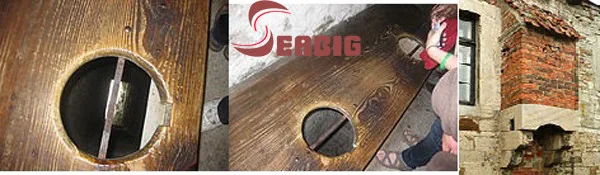
These rooms are often called garderobes. Some project beyond the wall on stone supports, so the chute can drop straight down. Others sit within the masonry itself.
The surviving stone does not always preserve the wooden seat, door, or screen that once made the room usable. An empty recess can therefore look far harsher than the furnished chamber did.
Gravity did the work, but people cleaned up
Castle sanitation relied on gravity, storage, and labor rather than a single standard sewer system. Waste might enter cesspits, reach a ditch, or fall below the building. Each choice created a different cleaning problem, especially when many residents used the same facilities over a long period of time.
It is tempting to imagine every moat as a flowing drain. That is too simple. Castle sites varied, and dumping near water could create a problem rather than carry it safely away.
Related Stories


Privacy was a matter of rank and design
Access to a private chamber depended on a person's place in the household and the castle's layout. Some rooms served important residents, while other facilities accommodated several users. Medieval hygiene was not one fixed habit shared by everyone from a monarch to the worker cleaning the courtyard outside.
A chamber near a lord's rooms reduced the walk through busy spaces. A communal arrangement saved building space but offered less privacy.
Old waste can preserve surprising evidence
Old toilet deposits can preserve seeds, parasite eggs, and everyday objects. They reveal details that weapons and royal records often miss. Researchers still need to study the context carefully, because a pit may contain waste and rubbish added during different periods of its use.
Fruit seeds can hint at meals. Parasite eggs can reveal infection. A broken pot may show that the pit became a rubbish dump after its first use ended.
The context matters as much as the find. A seed in a pit is not, by itself, proof that every person in the castle ate the same diet.
The room tells a more human castle story
Looking at a castle's toilets changes the scale of its history. The building becomes a working home filled with bodies, chores, water needs, and unwanted smells. Its defensive strength did not remove those demands, and its impressive stonework depended on people managing them every day of the year.
Next time you explore a ruin, look beyond the towers. Follow the route from a bedchamber to a small outer room, and notice where the shaft ends.
That short journey connects high status to basic need. It also brings the servants, builders, and cleaners back into a story that often leaves them outside the frame.
The waste chutes were a practical link between a private room and the work of cleaning below.
Frequently Asked Questions
The most useful questions concern where the waste went, who had access, and how the rooms functioned. Surviving castles do not all give the same answers. Their toilets changed with local terrain, building phases, household size, and later alterations, so a single example should never stand for an entire age.
Did every castle toilet empty into a moat?
No. Some emptied toward pits or ground outside the walls, and others used different arrangements. The local structure and excavated evidence give the best answer.
Were garderobes flushing toilets?
Usually they were not flushing toilets in the modern sense. Their basic operation depended on a seat, a shaft, and gravity, with cleaning handled separately.
Can visitors still recognize a medieval toilet?
Often they can identify the small chamber and waste opening. A missing seat or changed wall can make the purpose less obvious, so a site plan helps.