The king was small enough to be a snake, yet powerful enough to kill without a bite. A patch on its head suggested a crown.
Its breath ruined the ground around it. In old accounts, the basilisk did not need a dragon’s size to fill a reader with dread.
Basilisk legend origins lead through old natural history and medieval animal books. Following that trail reveals a beast made from many stories, shifting pictures, and a deep fear of unseen harm.
An old snake gains a royal name
Pliny the Elder described the basilisk in his Natural History as a dangerous snake linked to a pale, crown-like mark. The name carried the idea of a small king. These accounts are clues of old beliefs and writing, not proof that an animal with deadly magical powers actually existed.
The king of serpents could frighten other snakes in the story, making rank part of its danger. It ruled through the harm it was said to bring.
That mix is easy to recall: a modest body, a royal sign, and power far beyond its size. A reader could imagine a threat hidden close to the ground rather than waiting on a distant mountain.
Medieval books gave the beast a lesson
A medieval bestiary paired tales of animals with lessons about faith or right and wrong. Known beasts appeared beside ones drawn from old reports and made-up tales. The basilisk’s harmful gaze and scent suited warnings about evil, giving it a role beyond a strange snake.
Getty’s account of bestiaries stresses that these books were not simply field guides. Their animals helped readers think about human conduct and faith.
This shifts how we read a painted monster. Its posture or victim may express a lesson.
Asking whether the artist had seen such an animal can miss the purpose of the page as a whole.
Related Stories

Even the monster had an enemy
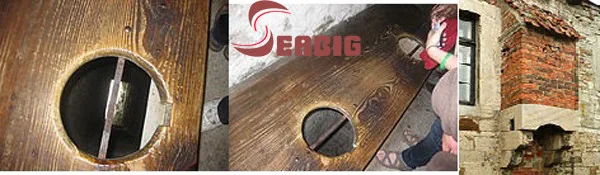
Weasel folklore gave the basilisk an unlikely rival. Old accounts described a weasel able to challenge or kill the deadly snake, though versions differ in the details and cost. The pair offered a hopeful pattern in which even a fearsome beast could meet a force able to stop it.
The British Library describes the contrast in surviving bestiary texts and pictures. A small well-known hunter faces the royal snake that humans are supposed to fear.
The scene works because the answer is not a larger monster. It is a second small animal, close enough to everyday life to make the tale feel grounded.
That sense of balance helped the basilisk become more than a simple warning about snakes.
Pictures changed faster than clues
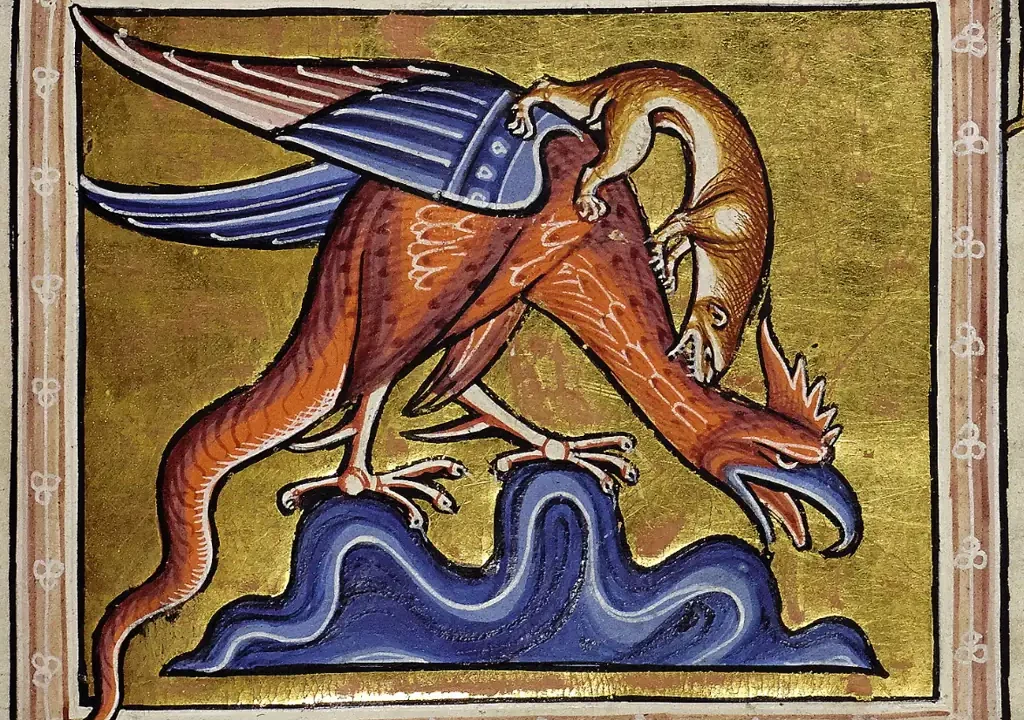
Manuscript illustrations show that the beast’s form was never fixed. Artists could stress a snake, a crown, or a mixed body. Later cockatrice stories added bird-like traits and odd birth tales, showing how stories and art could shift without a new kind of animal being found.
A rooster-headed beast and an old crowned snake may belong to related tales without being the same in every text. Names and features can cross between stories over time.
That is also why modern fantasy should not be read backward as an old description. A film or novel chooses one version for its own world.
Frequently Asked Questions
The beast belongs to texts, pictures, and belief. Old books preserve its changing fame, but they do not prove its magic powers. Keeping the known lore apart from the made-up animal lets us enjoy the story while staying clear about what the sources can really show.
Was the original basilisk a giant snake?
Old descriptions often presented a fairly small snake rather than a huge monster. Later storytellers and artists changed its scale and shape.
So one modern version cannot stand for the whole lore.
Why does a basilisk sometimes have a crown?
Its royal name and the crown-like mark described in older accounts encouraged that image. Artists could turn a small pale patch into a clear painted symbol of kingship.
Is the real basilisk lizard the legendary beast?
No, living basilisk lizards do not have the monster’s deadly gaze or breath. Sharing a name connects language and imagery, not clues that the magic animal was real.