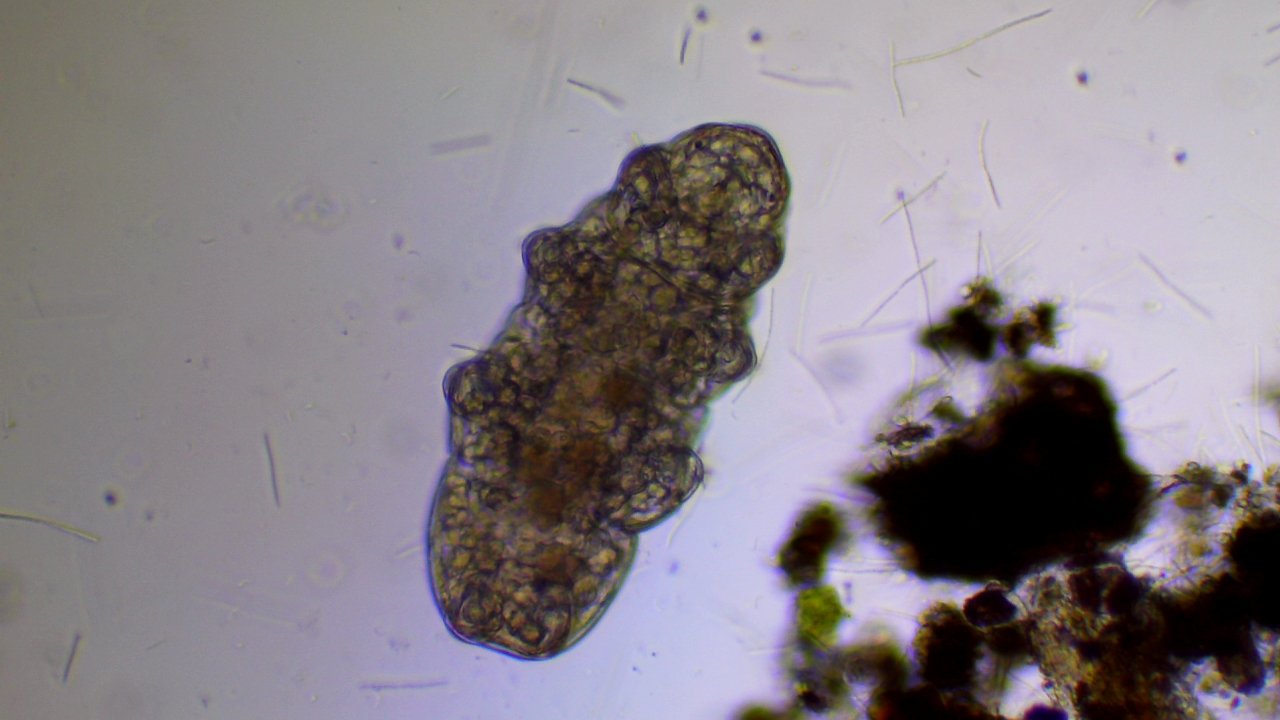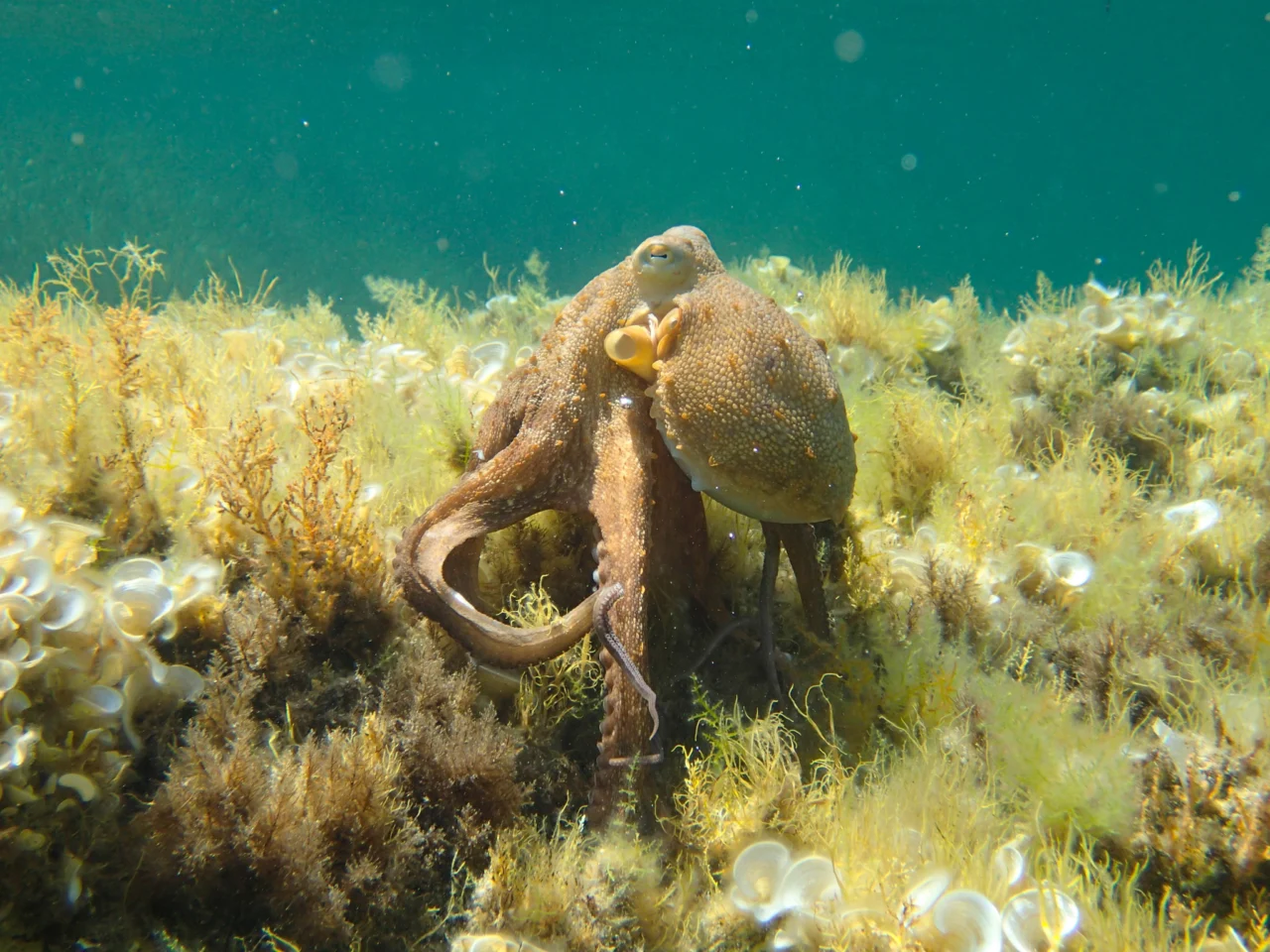
Under a ledge, an octopus can look like a quiet bundle of arms. Inside that soft body, three hearts keep blood moving. The arrangement sounds excessive until you follow the route.
Why do octopuses have three hearts? Each pump serves a distinct part of the job of delivering oxygen.
Two Pumps Work Beside the Gills
An octopus has two branchial hearts that send blood through its gills, where oxygen enters the circulation. These pumps serve the breathing surfaces straight. Their role differs from that of the third heart, so counting three hearts should not suggest three identical organs all pushing blood along the same route.
The gills are where the blood gains oxygen from water. Thin walls let the gas pass across. But blood still needs a push to get through that route.
The two pumps help with this step, rather than each one trying to send blood around the whole animal on its own.
The Third Heart Supplies the Body
The systemic heart sends oxygen-rich blood from the gill circuit toward the rest of the animal. Muscles, organs, and other tissues need that supply to function. The three-heart arrangement divides the work across the breathing and body circuits, solving a well-known biological problem through a layout distinct from our own.
Our own heart has several chambers in one organ. The octopus uses distinct pumps. Neither fact makes one animal better than the other.
It shows that life can solve a shared need in more than one way, using the body plan and tools that each kind of animal has.
Related Stories


Why the Blood Looks Blue
Oxygen transport in octopuses relies on hemocyanin, a copper-containing protein that looks blue when oxygenated. Human hemoglobin uses iron and gives our blood its red color. The color difference comes from the chemistry of the carrying molecules, rather than from blue seawater entering the animal's blood supply through the gills.
The sea does not cause an octopus’s blue blood. The color belongs to a molecule that carries oxygen. Think of the pigment as part of the transport tool, not a coat of paint.
Its job matters more than its shade, though that shade gives us an easy clue to a hidden chemical difference.
A Familiar Need in an Unfamiliar Body
Octopus circulation supports an active marine animal with a soft body and eight flexible arms. Its odd look can distract from the normal needs beneath it, such as oxygen delivery and waste removal. Gill circulation, pressure, and blood properties belong in the explanation, beyond one dramatic fact.
Three is a striking number. A route is more useful. Follow the blood from the gills to the tissues, and the number starts to make sense.
The soft animal beneath a ledge still needs to feed its cells, move waste, and keep its body working, just as other animals do.
Frequently Asked Questions
Questions about the hearts often come from picturing three copies of a human heart inside a small animal. Following the blood's route gives a clearer picture. The pumps cooperate.
Meanwhile, the blue color belongs to oxygen-carrying chemistry, making anatomy and chemistry two connected parts of the same explanation.
Does an octopus have three identical hearts?
No, two branchial hearts serve the gills. The systemic heart supplies the rest of the body. So the pumps play distinct roles.
Is octopus blood always bright blue?
The blue color is associated with oxygenated hemocyanin. Its look changes with oxygenation. So it should not be treated as an unchanging blue dye.
Do the three hearts mean an octopus has three separate blood systems?
No, the pumps are parts of an integrated circulation. Their distinct positions and functions help move blood through the gills and onward to the body.