A patch of moss can look lifeless when it dries, yet tiny animals within it may be waiting for water to return. Their trick is not to keep living normally without moisture. How tardigrades survive drying includes a profound slowdown and protection at scales far smaller than an eye can see.
Life Inside a Film of Water
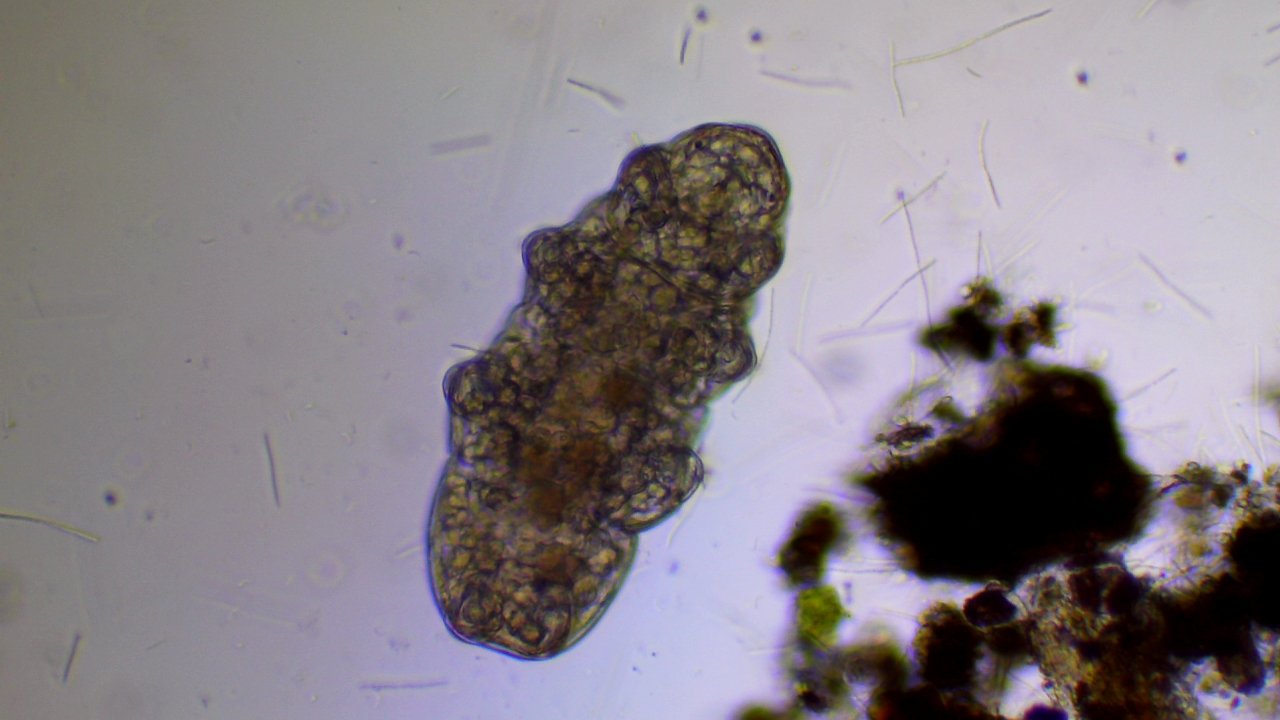
Tardigrades are microscopic animals known as water bears. They need wet settings to move and feed. Many live in moss or other places where water comes and goes.
Some species survive a dry spell by changing state. They do not just keep living their usual active lives without water.
A dry, still animal is not doing what a wet, active one does. It is not eating and walking as usual. The shift in state is part of the trick.
Tales that leave it out can make the animal seem just as tough in every setting, which the tests do not show.
The Body Draws Into a Tun
Some tardigrades draw into a small tun state as they dry and slow their activity to a very low level. Desiccation tolerance differs among species. How fast the water goes matters too.
The tun is part of a wider response, not a promise that every dry animal will live.
Slow drying can give an animal time to get ready. A sudden loss of water may test it in a different way. That is why a study needs the small print: which species, which state, how much time, and what happened when water came back at the end of the test.
Related Stories


Proteins Help Protect the Smallest Parts
Tests show that some protective proteins help tardigrades survive a loss of water. They can shield parts of cells from damage in dry settings. More than one type may help, and they do not all work alike.
One useful protein is not the full answer to every kind of stress.
Cells hold many small parts that need water to work well. Drying can harm those parts in more than one way. A protein that shields one target may not shield all of them.
A good test asks what was saved, and under which kind of stress, rather than simply calling the whole cell safe.
Tough Does Not Mean Immortal
Tardigrades can die. How much stress they survive depends on the species, its state, and how long the test lasts. A good result in one test does not show that they resist all harm.
Heat, cold, radiation, and vacuum each need their own tests, with the limits clearly described.
The modest story is still a fine one. A tiny animal can bridge a dry spell by changing its state and shielding parts of its cells. When water returns, some begin to move again.
That sight is striking enough without claiming that the animal died and then rose from the dead.
Frequently Asked Questions
Tales of water bears often skip the limits of a test. These questions put some of them back. The animal’s species, state, and time under stress all matter.
A good result in one setting is a clue to a skill, not a claim that nothing can ever kill it.
Are tardigrades bacteria?
No, they are multicellular animals with their own body structures. Calling them microbes in a loose sense should not erase that biological distinction.
Does every tardigrade survive complete drying?
No, ability changes among species and with experimental settings. Preparation and the rate of drying can affect the outcome.
Can a tardigrade survive anything?
No, they have real limits and can be killed. A successful test under one set of settings does not show unlimited resistance to heat, radiation, or other stresses.