A bottle looks full of plain water. Then a small disturbance starts a pale wave, and ice seems to bloom through it.
The water was already cold enough to freeze. What it lacked was a sound place for the first lasting crystal to begin.
That is why supercooled water stays liquid under the right conditions. The well-known freezing point marks a key boundary.
But crossing it does not always make ice at once.
Cold is only part of the story
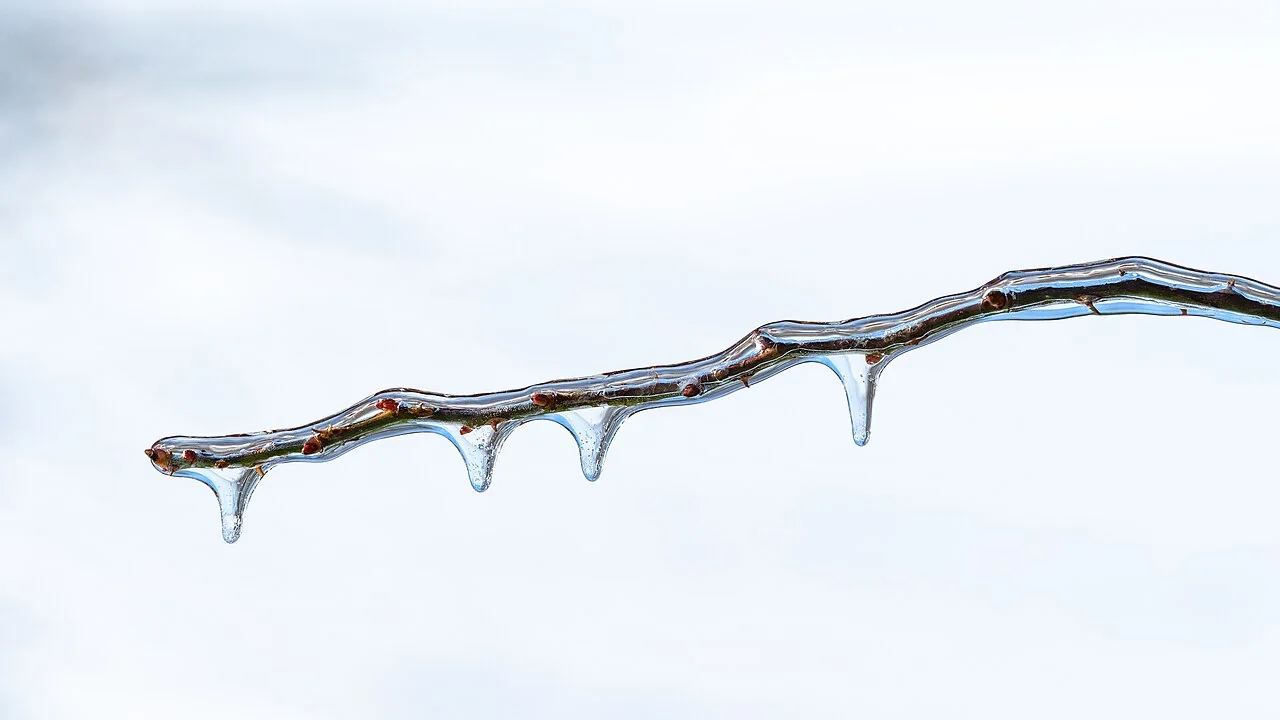
Supercooling means liquid water below freezing has not yet formed lasting ice. Water molecules must arrange into a stable crystal before freezing can spread. Small particles, surfaces, or existing ice can help start that process, so clean water in a quiet container may resist freezing for a time.
This is not the same as adding salt. Salt shifts the conditions at which ice and liquid can coexist.
Supercooling lets a liquid stay in a state that can give way once a suitable crystal appears.
A thermometer tells you temperature. It does not show whether a tiny ice seed has formed somewhere inside the water.
The first crystal needs a foothold
Ice nucleation is the start of a new ice crystal, and a few molecules briefly lining up are not always enough. A small cluster can fall apart before it grows. A suitable surface or seed makes that first stable arrangement easier, allowing neighboring water molecules to join it.
Think of the first tile in a pattern. Once a firm starting point exists, the next pieces have an arrangement to follow.
Without it, a moment of order may disappear.
A tap can sometimes trigger freezing in water already close to this shift. It does not make warm water freeze, and not every chilled bottle responds in the same way.
Related Stories
Sudden ice also releases heat
Crystal growth does not simply turn the whole sample into colder ice. Freezing releases latent heat into the nearby material. That warmth can bring the water still left back toward its freezing temperature, which helps explain why a fast freezing wave may leave a mixture of water and ice.
The white appearance often comes from many small crystals and trapped boundaries scattering light. It can look more solid than it really is.
This is a useful reminder when watching a short video. A quick shift in appearance is not a full reading of temperature or the amount frozen.
The final state depends on the sample and its area.
Clouds hold the same surprise
Supercooled droplets occur in clouds when water stays liquid in air colder than its normal freezing point. When ice forms, droplets can freeze or collect on existing crystals. These processes help create distinct kinds of rain, snow, or hail and explain why cold clouds do not contain only snow.
NOAA describes hail growing as supercooled water meets a moving ice particle. The new water freezes onto it, adding a second layer or part of a layer.
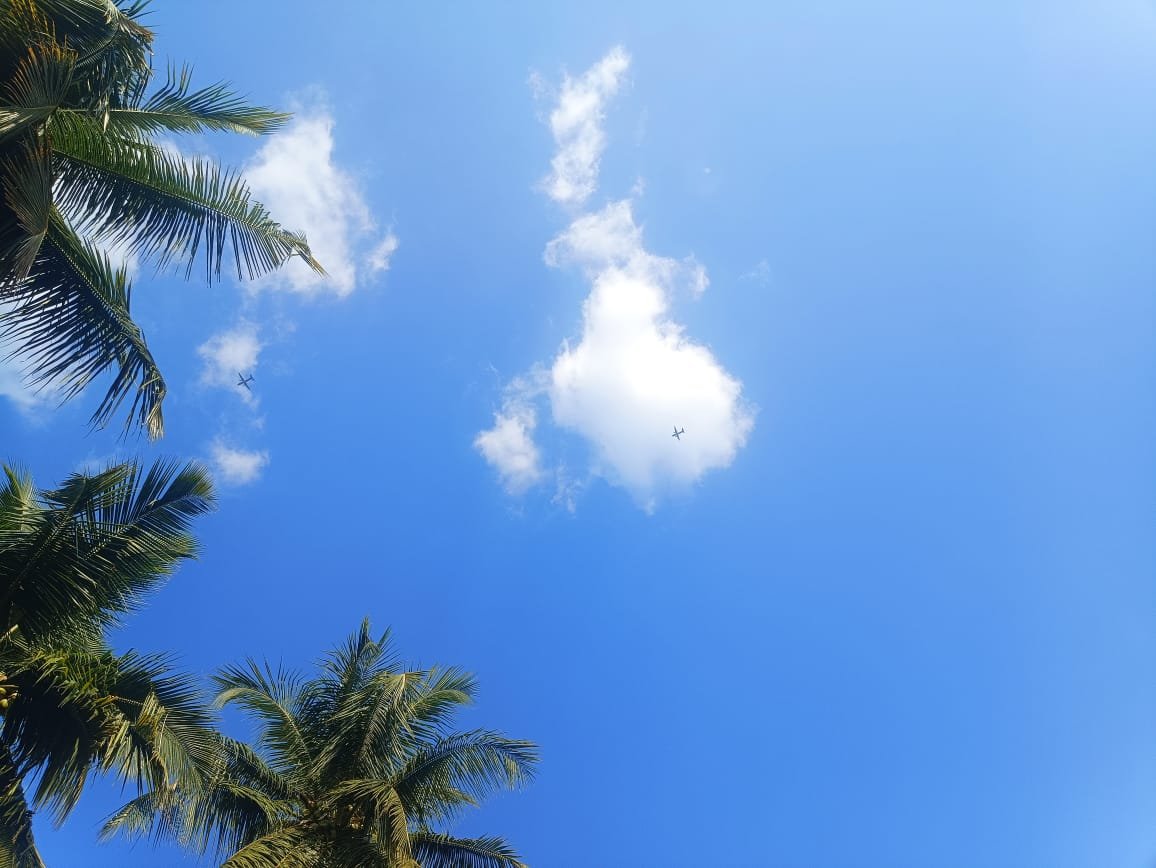
Elsewhere, ice formation can help leave striking gaps in a cloud deck. The bottle on a table is therefore a small doorway into a much larger weather story.
A missing crystal can shift the shape of an entire patch of sky.
Frequently Asked Questions
The key is keeping temperature distinct from the start of freezing. Supercooling does not overturn the freezing point, and it does not make water permanently immune to ice. It shows that a shift of state also depends on how the first stable crystal forms and how heat then moves.
Can pure water stay liquid below 32 degrees Fahrenheit?
Yes, under suitable conditions it can stay liquid below that temperature. The depth and duration of supercooling depend on factors such as impurities, the container, sample size, and disturbance.
Does tapping any cold bottle instantly make ice?
No, the water must already be supercooled and ready to form a crystal. A tap cannot turn a plain warm bottle into ice without removing heat.
Is supercooling the same as the hot-water freezing effect?
No, they are distinct questions. Supercooling concerns delayed ice formation below the freezing point, while comparisons between hot and cold water involve several possible effects and experimental conditions.